


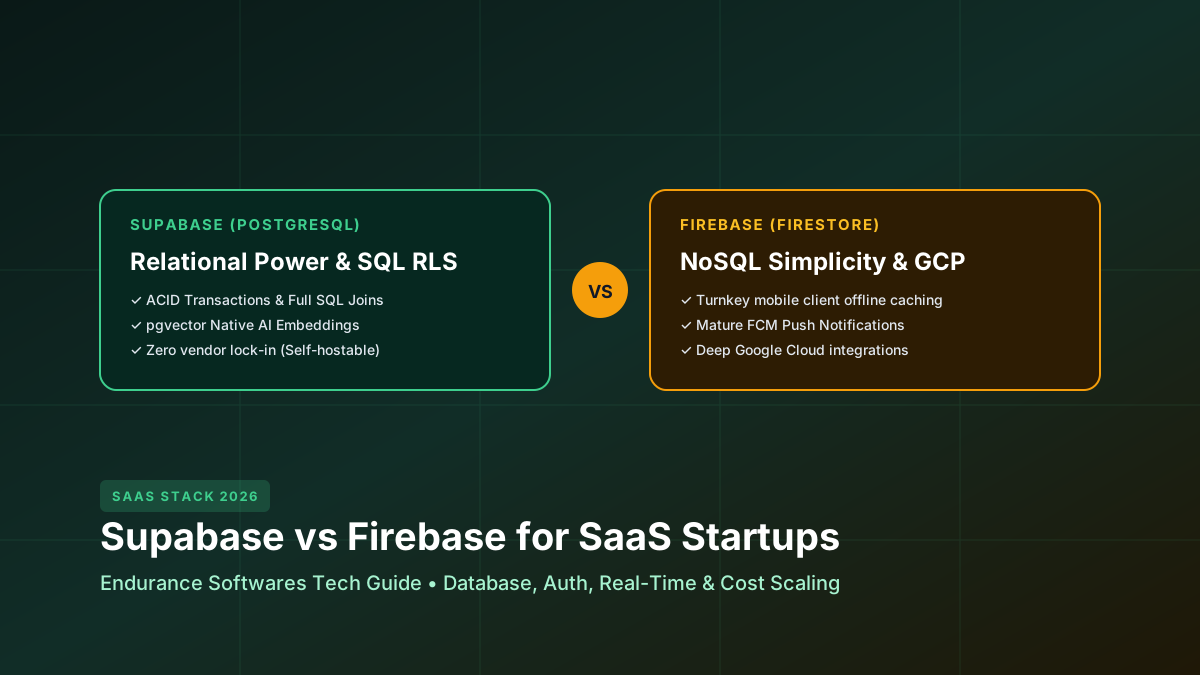
For B2B SaaS, complex data models, multi-tenant billing, and AI applications, Supabase (PostgreSQL) is the clear architectural winner in 2026. Firebase remains compelling for simple mobile consumer apps, prototypes requiring turnkey push notifications, and teams already invested in the Google Cloud ecosystem.
Comprehensive Comparison Matrix
| Feature | Supabase (Open Source) | Firebase (Google Cloud) |
|---|---|---|
| Database Engine | PostgreSQL 16+ (Relational, ACID, Full SQL, JSONB) | Cloud Firestore (Document NoSQL) |
| Complex Queries & Joins | Native SQL Joins, CTEs, Aggregations, Window Functions | No joins; requires client orchestration or denormalization |
| AI & Vector Embeddings | Native pgvector extension for RAG search | Requires Vertex AI or third-party Vector DB (Pinecone) |
| Row Security Model | Standard PostgreSQL Row Level Security (RLS) | Proprietary Firestore Security Rules |
| Vendor Lock-in | Zero (Run anywhere via Docker / Kubernetes) | High (Tightly coupled to Google Cloud infrastructure) |
| Billing Model | Predictable compute instance sizing + egress | Pay-per-document read/write operations (unpredictable) |
Security Models: PostgreSQL RLS vs Firestore Rules
Supabase enforces multi-tenant access control directly inside the database engine using standard SQL. Even if a developer forgets a WHERE clause in an API endpoint, unauthorized rows are physically inaccessible:
-- Multi-Tenant Row Level Security (RLS) in Supabase
CREATE TABLE organizations (
  id uuid PRIMARY KEY DEFAULT gen_random_uuid(),
  name text NOT NULL,
  created_at timestamptz DEFAULT now()
);

CREATE TABLE projects (
  id uuid PRIMARY KEY DEFAULT gen_random_uuid(),
  org_id uuid REFERENCES organizations(id) ON DELETE CASCADE,
  title text NOT NULL,
  metadata jsonb DEFAULT '{}'::jsonb
);

-- Enable RLS
ALTER TABLE projects ENABLE ROW LEVEL SECURITY;

-- Dynamic Tenant Policy: Check user organization membership
CREATE POLICY "Tenants can only read their own projects"
ON projects FOR SELECT
USING (
  org_id IN (
    SELECT org_id FROM organization_members
    WHERE user_id = auth.uid()
  )
);
In contrast, Firestore rules require proprietary syntax and evaluate nested document reads that count toward your billable database operations:
// firestore.rules - Firestore Document Security Rules
rules_version = '2';
service cloud.firestore {
  match /databases/{database}/documents {
    match /organizations/{orgId}/projects/{projectId} {
      allow read, write: if request.auth != null &&
        exists(/databases/$(database)/documents/organizations/$(orgId)/members/$(request.auth.uid));
    }
  }
}
AI & Semantic Vector Search with pgvector
In 2026, almost every SaaS platform incorporates AI search, recommendations, or document querying. With Supabase, your OpenAI/Anthropic embeddings live directly alongside your user tables in PostgreSQL. You can execute hybrid queries that join semantic vector similarity with user subscription status in a single millisecond SQL call!
Pricing Scaling: Predictable Compute vs Per-Read Surprise Bills
Firestore charges per individual document read and write. An infinite client loop or poorly paginated admin table can trigger hundreds of thousands of read charges in minutes. Supabase charges for a dedicated virtual machine instance with predictable monthly invoices regardless of read volume.
Portability & Self-Hosting Compliance
Enterprises with strict data sovereignty requirements (GDPR, HIPAA, financial data) can export a standardpg_dump from Supabase and run it on their own AWS, Azure, or on-premise infrastructure without changing a single line of application code.
SaaS Architecture Checklist
✓ Relational schema designed with explicit foreign key constraints
✓ Row Level Security (RLS) enabled on 100% of public tables
✓ Composite B-tree indexes added on tenant ID and timestamp columns
✓ pgvector extension initialized for semantic search capabilities
✓ Database connection pooling managed via Supavisor / PgBouncer
✓ Automated point-in-time daily backups configured
✓ Supabase Auth JWTs validated on Next.js Edge Middleware
✓ Zero-trust service-role keys guarded in private environment variables
Build Scalable SaaS Platforms with Endurance Softwares
Our team builds modern web and mobile SaaS products with Supabase, PostgreSQL, Next.js, and robust cloud infrastructure.
Plan Your SaaS ArchitectureFrequently Asked Questions
Can I migrate from Firebase to Supabase without downtime?
Yes! Our engineers use automated ETL scripts to mirror Firestore JSON collections into structured PostgreSQL tables while synchronizing user authentication states in parallel.
Does Supabase support real-time data streaming like Firebase?
Yes! Supabase Realtime listens to PostgreSQL write-ahead logs (WAL) and streams changes over WebSockets with sub-50ms latency.
Is Firebase better for push notifications?
Firebase Cloud Messaging (FCM) is the industry standard for mobile push. However, many developers use Supabase as their primary database and invoke FCM via Supabase Edge Functions or Node.js backends.